
Eyeshadow Manufacturing Process: From Sample to Bulk Production
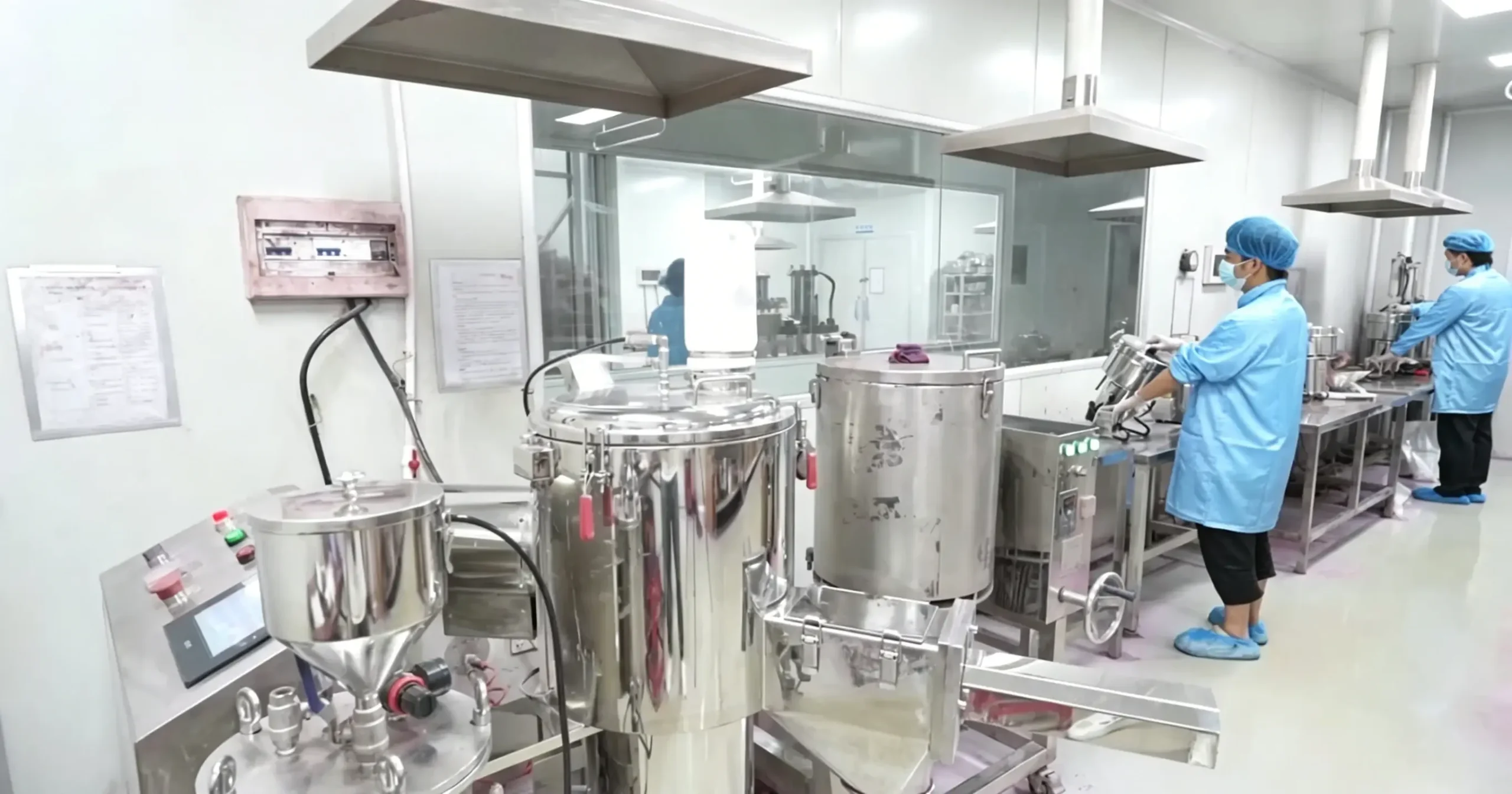
This page focuses on the factory production stage after the sample, shades, formula, packaging artwork and final specifications have been approved. The production-stage content is retained from the original process page.
Inquiry, MOQ, shade selection, sample development, packaging artwork, quotation and shipment preparation are explained on the Custom Eyeshadow Palette page.
Review custom palette detailsOrder Confirmation and Production Preparation
After the customer confirms the sample, colors, packaging, logo, quantity, and design files, the order can move into production preparation.
The approved sample, final shade list, formula or texture requirements, packaging type, printing file and palette layout provide the reference for production.
Materials to Prepare
- Empty palette cases
- Outer boxes
- Labels
- Printed packaging
- Pigments
- Pearlescent powders
- Binders
- Pressing pans
- Assembly materials
- Shipping cartons
For custom printed packaging, materials are usually sent for printing first and then returned to the factory for final assembly.
Powder Mixing, Color Checking and Pressing
Powder Mixing
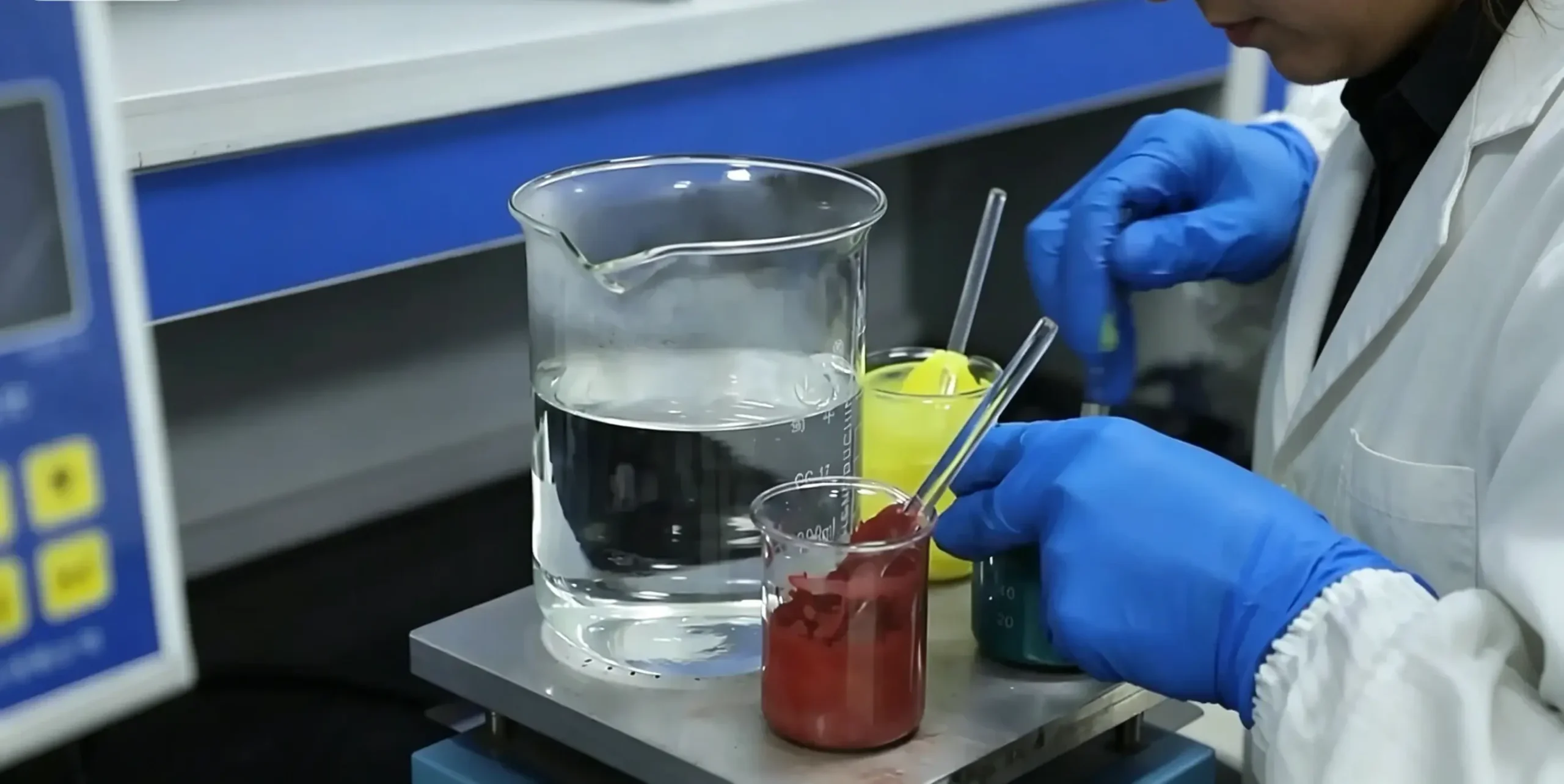
Powder mixing is a core step in eyeshadow manufacturing. During this stage, pigments, pearlescent powders, binders, and other formula ingredients are mixed according to the confirmed shade and texture requirements.
The goal is to achieve the approved color, texture, and performance as closely as possible.
Matte Eyeshadow
Requires stable color payoff, smooth blending, and a balanced powder structure.
Shimmer Eyeshadow
Requires balanced shine, smooth application, and consistent pearlescent distribution.
Glitter Eyeshadow
Requires proper adhesion, sparkle distribution, and formula stability.
Duochrome and Multichrome Eyeshadow
Requires careful pigment selection and control of color-shifting effects.
This step affects the final appearance, application, and consistency of the product.
Color Difference Checking
Color difference is a normal but important issue in eyeshadow production. Even with a confirmed sample, slight differences may happen because of pigment batches, lighting, powder texture, pressing pressure, and the difference between pan color and skin swatch.
To reduce color difference risk, we use the approved sample as the production reference. During powder mixing, if the production team finds that the color is different from the confirmed sample, we compare the shade and adjust the formula when possible.
Common Causes of Color Difference
- Different pigment batches
- Lighting conditions
- Camera and screen display
- Powder texture
- Pressed powder density
- Pan color and skin swatch difference
- Pearl or glitter reflection angle
How We Reduce the Risk
- Use approved samples as production references
- Compare shades during powder mixing
- Adjust formula when possible
- Recommend physical sample confirmation
- Provide comparison photos when needed
For custom eyeshadow projects, physical sample confirmation is the best way to reduce misunderstanding before bulk production.
Powder Pressing
After the powder is mixed and confirmed, it moves to the pressing stage. During powder pressing, the prepared eyeshadow powder is pressed into metal pans or palette wells based on the approved product design.
This step affects powder hardness, surface appearance, pickup performance, fallout level, pan stability, and product breakage risk.
If the powder is pressed too softly, it may break easily during shipping. If it is pressed too firmly, the color payoff may be affected. The pressing process must match the formula type, pan size, and product use.
Palette Assembly and Final Product Check
Palette Assembly
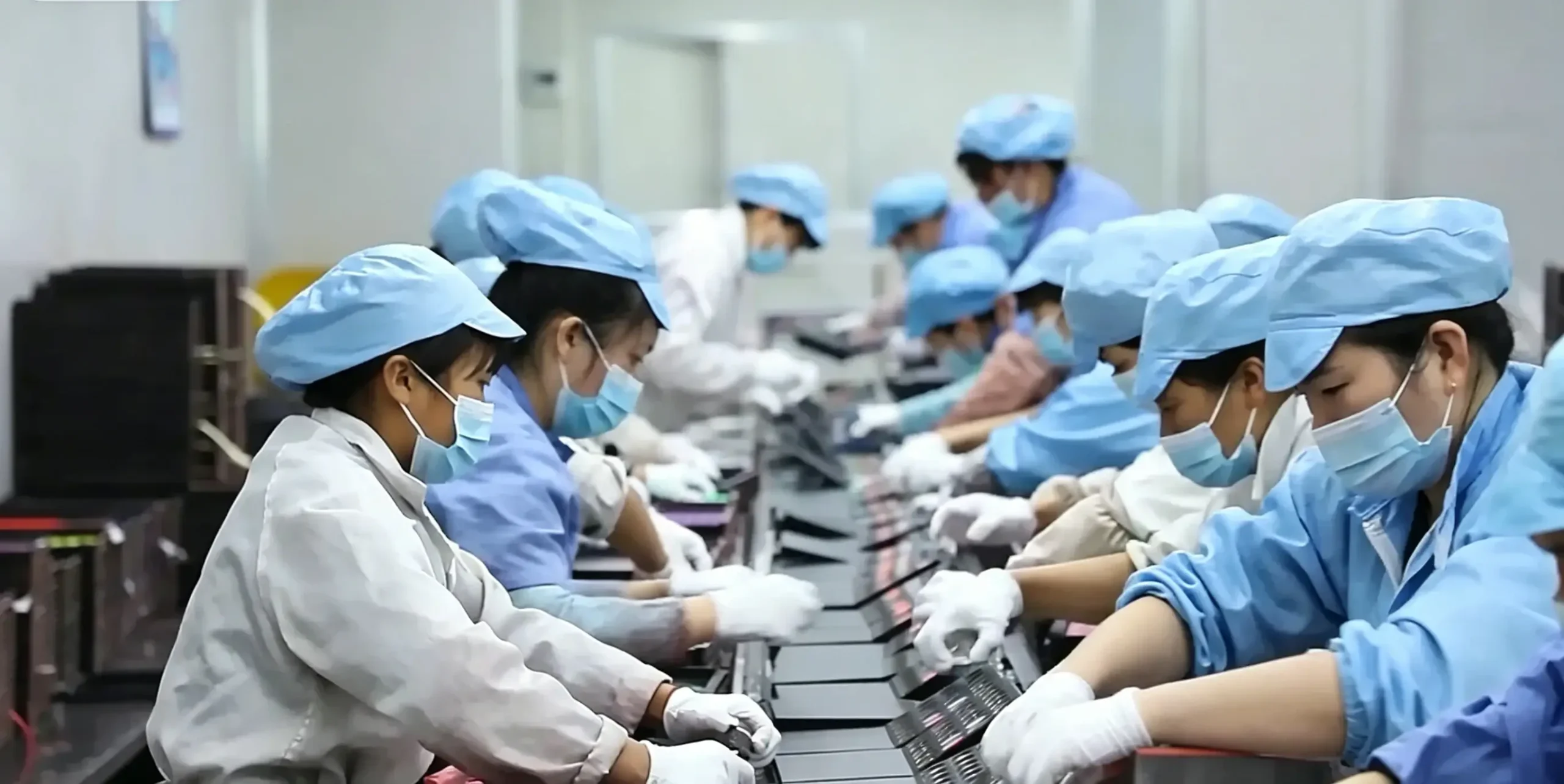
After pressing, the eyeshadow pans and packaging components are assembled into the final product.
Assembly Steps
- Placing pressed pans into the palette
- Fixing pans into the case
- Adding mirrors if required
- Checking shade order
- Applying labels
- Adding outer boxes
- Adding sleeves or inserts
Key Checks
- Shade placement
- Packaging matching
- Logo direction
- Batch consistency
- Palette layout accuracy
For custom palettes, shade placement and packaging matching must be checked carefully to avoid layout mistakes.
Packing and Final Product Check
After assembly, the finished products are packed for shipment. Before packing, we check the product appearance, packaging, and overall presentation.
Final Checking May Include
- Palette surface inspection
- Shade layout check
- Packaging condition check
- Logo and printing check
- Outer box matching
- Quantity confirmation
- Carton packing
- Shipping mark confirmation
If the customer requests production updates, photos can be provided during production or after the finished products are packed.
Eyeshadow Bulk Production Flow
The production-stage flow begins after the customer has confirmed the sample, shades, formula, packaging artwork and final specifications.
Eyeshadow Manufacturing FAQ
Why does eyeshadow color difference happen?
Can you provide production photos?
Where are MOQ, samples, colors and packaging explained?
Need MOQ, Samples, Colors or Packaging Information?
This page is limited to the factory production stage. Review the Custom Eyeshadow Palette page for private label options, custom colors, sample timing, packaging artwork, quotation requirements and shipment preparation.